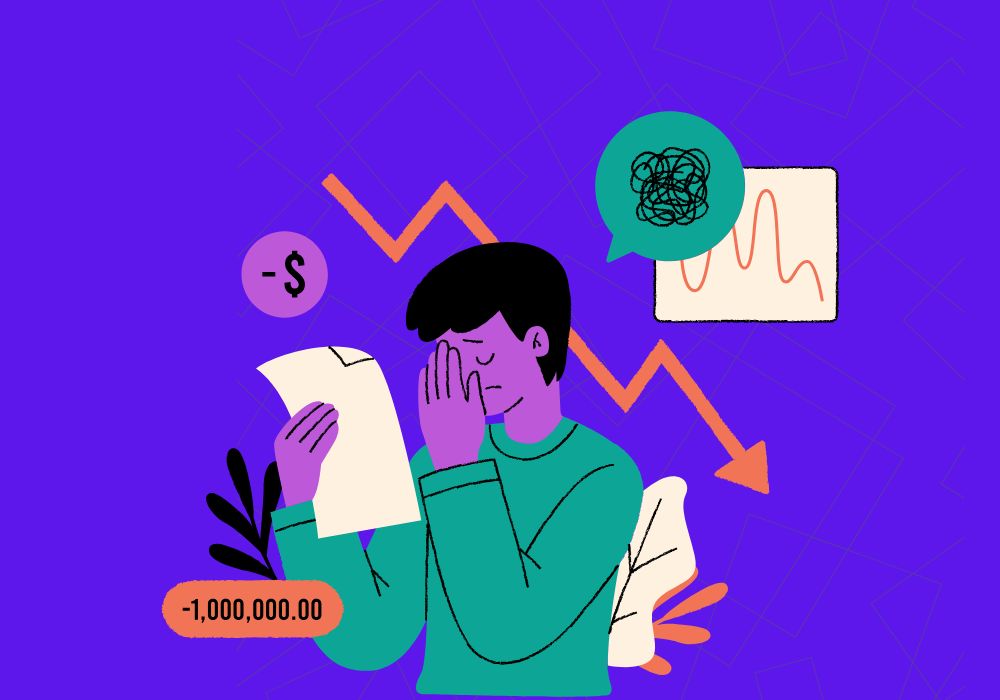
Stepping into higher education can feel exciting, almost like opening a new chapter filled with new people and new dreams, yet one question follows many students everywhere: Should you take a student loan? At first, the loan may seem like a simple solution because the money arrives quickly, the approval feels easy, and the promise of future stability sounds comforting, but there is more underneath—a deeper layer that becomes visible only after graduation.
This article helps you understand that layer clearly, moving slowly and straight through the truth without complicated jargon, so you can see what student loans truly mean for your future.
Understanding What a Student Loan Really Does to Your Life
Student loans are often described as helpful, a stepping stone, even a bridge toward education and opportunity, yet every bridge comes with a toll—sometimes a heavy one that becomes noticeable only when you begin carrying it.
A loan might feel harmless during college because payments usually start after graduation, and because the paperwork looks simple, you may assume the responsibility will be easy too. That assumption often breaks down when letters arrive in your inbox. When balances do not shrink fast, and when interest grows quietly.
The numbers move even when you sleep, a simple truth that surprises many students once the reality of interest begins to unfold.
The Weight That Comes After Graduation
The First Shock: Monthly Payments Feel Bigger Than Expected
You finish college and step into the real world expecting a decent job, steady income, and the confidence to handle everything, yet early jobs often pay far less than imagined, creating an unexpected gap between hope and reality.
Here is a more connected, smoothly flowing version:
Then the payment notice arrives, and the monthly amount suddenly feels heavy because student loans stretch over many years, continuing even when unexpected things happen—slow months, family issues, sudden expenses—and you cannot easily pause them, turning each payment into a reminder that returns every month for years.
Interest Keeps Growing Quietly
Here is a smoothly connected, natural-flowing version while keeping your tone:
Interest is not just a number; it becomes a shadow that grows because the longer you take to repay, the more the total amount expands, and a student loan can even double if repayment slows down.
Here is a smoothly connected version that keeps your rhythmic style while improving flow:
One small delay can create months of extra burden, and one missed payment adds even more weight, allowing a single moment of stress to turn into long-term pressure slowly.
How Student Loans Affect Your Future Choices
Here is a smoother, more connected version while keeping your tone:
Education should open doors, yet debt sometimes closes them by limiting the choices you hoped would stay wide open.
Your Freedom Gets Limited
Debt forces you into decisions based on money rather than passion. You may avoid pursuing creative fields, social work, or anything with a low starting salary. Even if the dream is strong, the pressure to pay monthly bills becomes stronger.
You might skip internships, travel goals, side projects, or any opportunity that pays less. Debt narrows your path, and narrowing often leads to frustration.
You Delay Big Life Steps
Without loans, you could start saving early. With loans, savings slow down.
Dreams like buying a car, investing, renting your own apartment, or planning long-term goals often get pushed further away.
Not because you lack ambition, but because the loan demands attention first, pulling your focus away from the goals you want to chase.
Why Borrowing for Education Feels Easy but Repaying Feels Hard
Because the Decision Happens Too Early
Most students decide at 17 or 18. At that age, understanding long-term debt is tough. Numbers on paper do not feel real. They feel distant.
Here is a smoothly connected version with the same meaning and tone:
You choose a college major and you choose a loan, yet you cannot fully predict job markets, salary expectations, or how you will feel once financial stress becomes part of your daily life.
A loan promises freedom today, but the repayment cycle demands maturity that many students grow into only later. That difference becomes the trap.
Because Schools Promote Loans as Normal
Here is a smoothly connected version while keeping the repetitive rhythm and emphasis:
You are told that “everyone takes loans,” and you are told that “education is an investment,” followed by the promise that “you will pay it back easily,” messages that sound reassuring but leave out the challenges that come later.
These statements are not lies, but they are not the whole truth either. They hide the emotional and financial strain that thousands face. A strain that keeps growing because tuition keeps rising.
The Emotional Stress Nobody Talks About
Lingering Anxiety Starts Small
You graduate and enter adulthood with a weight. Every choice carries a question:
“Can this affect my ability to pay the loan?”
That question never really disappears until the loan disappears. It shows up when you switch jobs, start relationships, or plan your future. It shapes your confidence. It shapes your decisions.
Debt Creates a Sense of Being Stuck
Here is a smoothly connected, natural-flowing version that keeps the emotional rhythm intact:
You feel like progress happens slowly, and even when you work hard, the debt reminder stays, making progress feel delayed, life feel paused, and dreams feel quietly postponed.
This emotional load becomes harder than the financial one for many people. Stress rises because the debt takes years to finish, and the long timeline can make you doubt your pace.
Personal Experience:
Here is a smoother, more connected version with the same tone and meaning:
Walking into college with loan approval forms may feel like a victory—you can pay fees, you can attend classes, and you can start your journey—but the excitement fades once you see how different the world looks after graduation.
Peers with no loans often take risks—starting small businesses, exploring internships, even taking a break to figure out their path.
Peers with heavy loans make cautious choices—rushing into jobs they do not enjoy, avoiding career changes, and sacrificing growth just to stay safe.
Here is a smoothly connected version while keeping your rhythm and emphasis:
This contrast becomes more visible year after year, as two students with the same degree follow completely different financial paths, and the one without loans usually reaches stability much earlier because more income can go toward building a life instead of repaying the past.
The Hidden Truth
Here is a smoothly connected, natural-flowing version that keeps your tone and emphasis:
A degree helps, and skills help even more, yet a loan guarantees only one thing: repayment. You do not get a guaranteed job, you do not get a guaranteed salary, and you do not get guaranteed stability, which makes the promise of borrowing far weaker than it first appears.
Here is a smoothly connected version that keeps the list-style rhythm while improving flow:
This is the core reason many experts encourage exploring every alternative before borrowing, pushing students to consider scholarships, community colleges, skill-based programs, online certifications, part-time study, work-study systems, and even taking a gap year to save money before committing to long-term debt.
Choosing carefully now reduces years of pressure later.
You Can Build a Strong Future Without Debt
Education is valuable, but you must weigh its cost realistically. You can pursue learning without carrying a burden that lasts a decade.
Strategies That Many Students Use Instead of Loans
- Choosing colleges with lower tuition
- Starting at a community college, then transferring
- Applying widely for grants and scholarships
- Working part-time while studying
- Learning high-demand skills through shorter programs
- Living at home to reduce expenses
These options may sound simple, but they reduce lifelong stress dramatically.
Debt-Free Education Helps You Grow Faster
Without student loans, you:
- Build savings earlier
- Take career risks confidently
- Handle emergencies with less fear
- Feel mentally lighter
- Grow steadily instead of constantly catching up
Not only do you reduce financial pressure, but you also gain the freedom to shape your own path confidently.
Not only can you pursue opportunities you love, but you also avoid feeling chained to a long repayment cycle.
Wrap It Up
Student loans may seem helpful today, but they often create long-term challenges that affect your future choices, emotional well-being, and financial growth. You must understand the real cost before signing anything.
A loan might open a door now, but it might close many later.
You can take control of your future by exploring safer, smarter, and lighter paths. Education should help you grow, not restrict you. So pause, think, choose wisely, and your future self will thank you.

What Is Reverse Mortgage Information & Why It Matters?
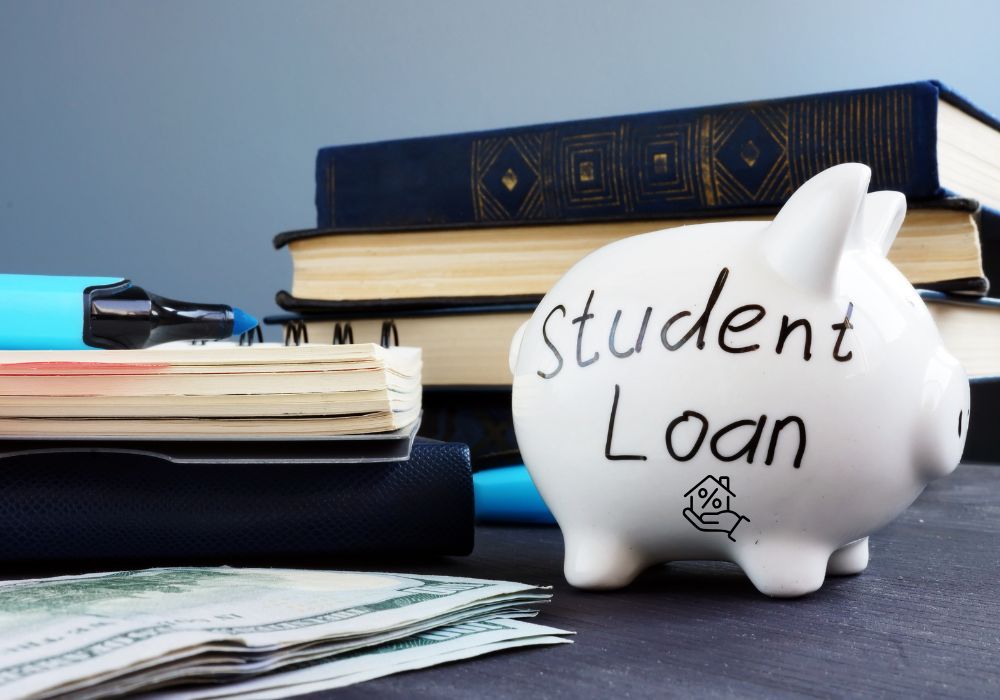
How To A Settle Student Loan Faster (Steps)

What Is A Collateral Account In Banking? Types, Risks
What Is Collateral & Why It Matters?
How To Get Short-Term Loans For Medical Emergencies (Guide)

How To Settle A Loan Without Damaging Your Credit Score (2026)