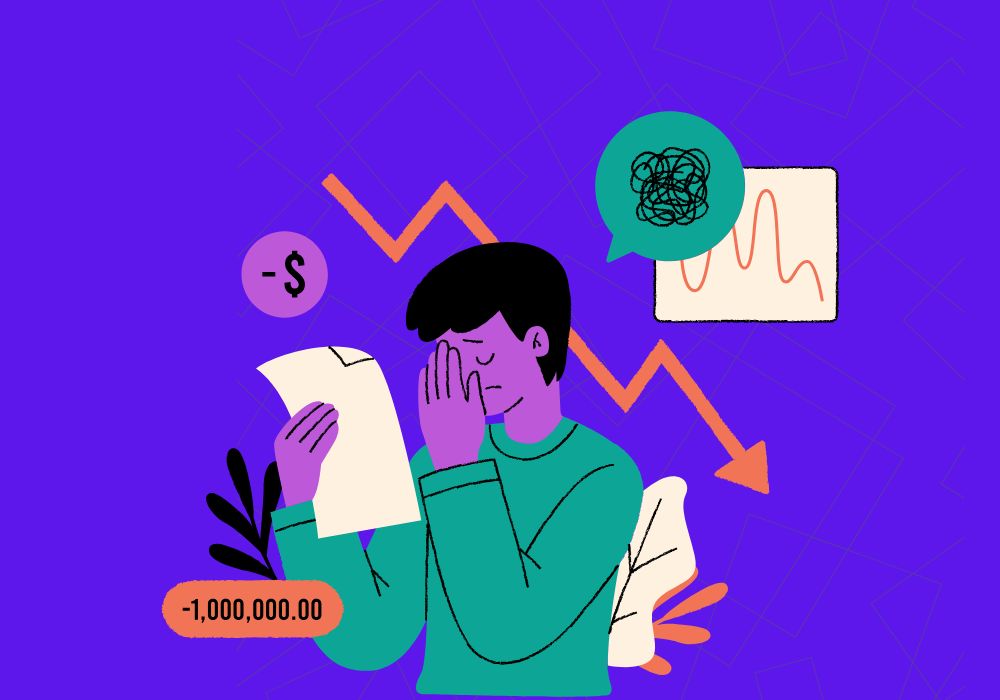
Money stress creeps in faster than most people expect because one bill turns into another and then a few more that somehow stack up all at once, creating the sense that numbers keep moving while the paycheck stays still.
Many people have been in this spot, and the pressure can feel heavy since every due date demands attention and every payment pulls focus.
During moments like these, debt consolidation begins to feel almost like a breath drawn after a long time underwater, offering structure when things feel scattered, and in this article, I’ll share how debt consolidation works and how it can help people regain control.
Understanding the Basics of Debt Consolidation
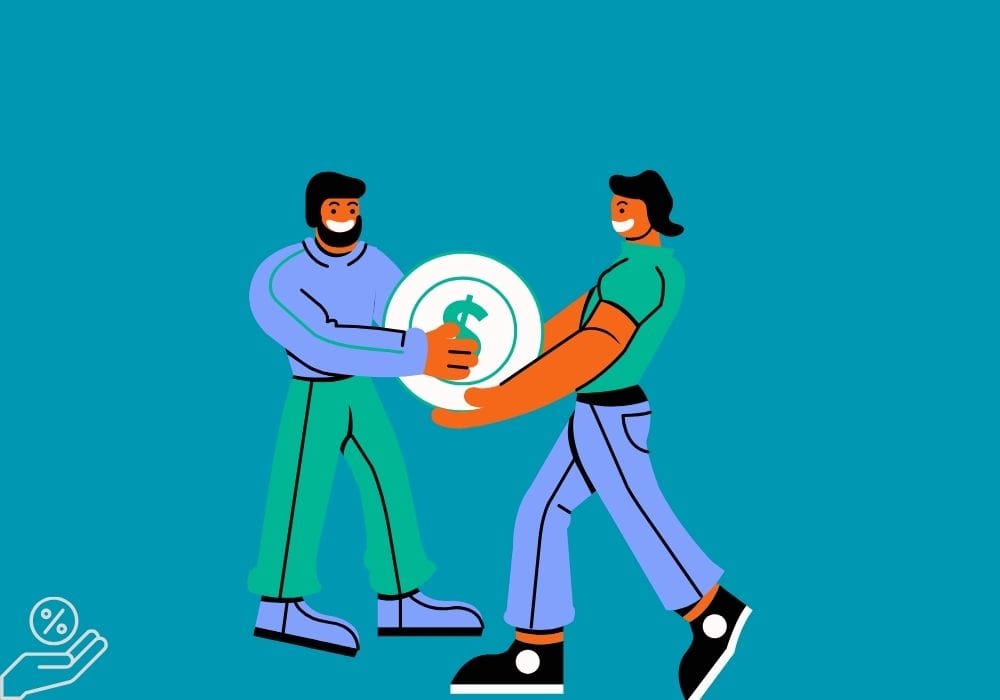
Debt consolidation means taking multiple debts and rolling them into one single loan so that, instead of managing five different payments with different interest rates and due dates, everything becomes one organized payment with one rate, one schedule, and one number to track.
This does not erase debt; instead, it reorganizes and simplifies it in a way that makes the entire balance feel manageable again.
People often choose consolidation when dealing with high-interest debts such as credit cards, personal loans, payday loans, or installment loans. Because scattered bills create confusion, you can use a debt consolidation loan to build clarity and reduce mental friction.
Why Debt Starts Feeling Overwhelming
Debt does not always grow because of overspending, and sometimes it happens because life shifts suddenly through events such as a job loss, an unexpected medical bill, a major repair, or a school-related cost that appears without warning.
Paying the minimum on high-interest debt keeps the balance alive for a long time, and because interest grows fast, the total amount keeps climbing. Debt consolidation exists to slow that climb. You can gather all balances under one fixed-rate loan, which makes interest predictable and easier to manage.
How a Debt Consolidation Loan Works
A lender reviews your income, credit score, and existing debts. After approval, the lender gives a single loan that pays off your old balances directly or places funds into your account so you can pay them yourself.
From that moment, the old debts are considered closed, and only the new loan remains as the single balance you need to manage.
You make payments monthly until the balance is cleared. Because the rate is often lower than credit card interest, you may save money over time. And because the payment amount stays steady each month, long-term planning becomes simpler.
Types of Debt Consolidation Loans
1. Unsecured Personal Loans
This option is the most common because it requires no collateral, and approval depends mainly on your credit score and income.
You can use these loans to pay off credit cards, medical bills, or other unsecured debts. Interest rates vary, but they are often lower than credit card rates, especially for people with good credit.
2. Secured Loans
These loans require something valuable as collateral, such as a vehicle. Because the lender has security, the interest rate may be lower. Still, missing payments can risk the collateral, so you must weigh this option carefully.
3. Balance Transfer Credit Cards
This approach is a unique form of consolidation because, instead of taking a loan, you move multiple card balances to one credit card that offers a low or sometimes 0 percent introductory rate, which can be helpful when used responsibly, although the intro period eventually ends and rates can jump afterward, meaning you must stay consistent with your payments.
Signs You Might Benefit From Debt Consolidation
You can look for patterns because they often reveal more than people think and provide early signs of financial stress.
Routine late payments, constant juggling of due dates, high interest eating away at income, and multiple debts creating mental overload are all signs that your current system may not be working anymore.
When payments scatter across the month, stress spreads with them. Debt consolidation creates one predictable timeline. You can breathe easier because the financial noise becomes quieter.
Another sign: You feel stuck. Paying every month but seeing little change. Because a consolidation loan often has a lower interest rate, a bigger portion of each payment reduces the principal instead of feeding interest.
Benefits You Can Expect
1. Simplified Money Management
One payment each month means less confusion, and that simplicity reduces the emotional strain that often comes with debt. Because everything becomes organized, you can create routines that support long-term financial stability.
2. Possible Lower Interest Rates
Most credit cards have steep interest rates. Consolidation loans often bring that rate down, especially when credit scores are improving. Because the new rate stays fixed, you can estimate the timeline for becoming debt-free without guessing.
3. Faster Debt Payoff
Lower interest plus consistent payments creates a path that moves forward instead of feeling stuck. Not only does this give a sense of progress, but it also provides structure that encourages better habits.
4. A Fresh Start Mentally
Debt causes worry because it affects sleep, focus, and confidence, and although consolidation does not erase debt, it reduces chaos by creating quiet, order, and direction—three things that genuinely matter when you are trying to regain control.
Potential Risks You Must Consider
Every financial tool carries risks, and debt consolidation is no exception because it must be used with awareness and steady discipline.
Some people feel relieved once everything merges into one loan, and because that relief feels comforting, they return to old spending habits. This leads to new debt on top of the consolidation loan, and the cycle starts again. You must commit to avoiding this pattern.
Another risk: fees or higher total costs depending on the loan terms. Some lenders charge origination fees. Some loans stretch longer, which means interest adds up slowly over time even if the monthly payment feels smaller. Because of this, you must review terms carefully before agreeing.
How to Know If Consolidation Truly Fits Your Situation
Ask yourself simple but honest questions:
- Are the current interest rates too high?
- Are multiple payments creating confusion?
- Is there a steady income that supports one monthly payment?
- Is there commitment to not building new debt again?
If the answer to most of these questions leans toward yes, consolidation might be helpful. Because improvement depends on long-term behavior as well as loan structure, you must be prepared for steady discipline.
Steps to Get a Debt Consolidation Loan in 2025
1. Check Your Credit Score
A higher score often leads to lower interest rates. You can review your score through credible credit-report tools before applying.
2. List All Current Debts
Write down balances, interest rates, and minimum payments. Because clarity leads to better choices, this step matters more than people think.
3. Compare Lenders
Look at banks, credit unions, and reputable online lenders. Because each lender sets different terms, comparing options helps you find the most affordable choice.
4. Apply for the Loan
Provide income details, identification, and debt information. Approval times are usually quick.
5. Use Funds Properly
Pay off existing debts right away. Avoid spending the loan money on anything else, because creating new debt defeats the purpose.
6. Follow the Plan
You must make payments consistently with no gaps and no delays, and because the structure is simple, staying disciplined becomes easier over time.
Wrapping It Up
Debt consolidation is not only a financial tool but also a way to regain control when debt feels chaotic. Because it reorganizes multiple payments into one clear structure, you can focus on creating healthier habits and steady improvement. The goal is not speed; the goal is direction. And when the path becomes easier to follow, the outcome becomes easier to reach.